EHR and PM System Integrations
Most integration projects that miss their date do not miss it on engineering. They miss it on approval queues, environment access, change calendars, and the discovery that write-back is narrower than read. All four are predictable, and all four belong in the plan before the first line of code.
Where a native API exists we use it. Where one does not, we use HL7 interfaces, X12 transactions, database-level integration, or supervised browser automation running under credentials your organization owns, with every action logged.
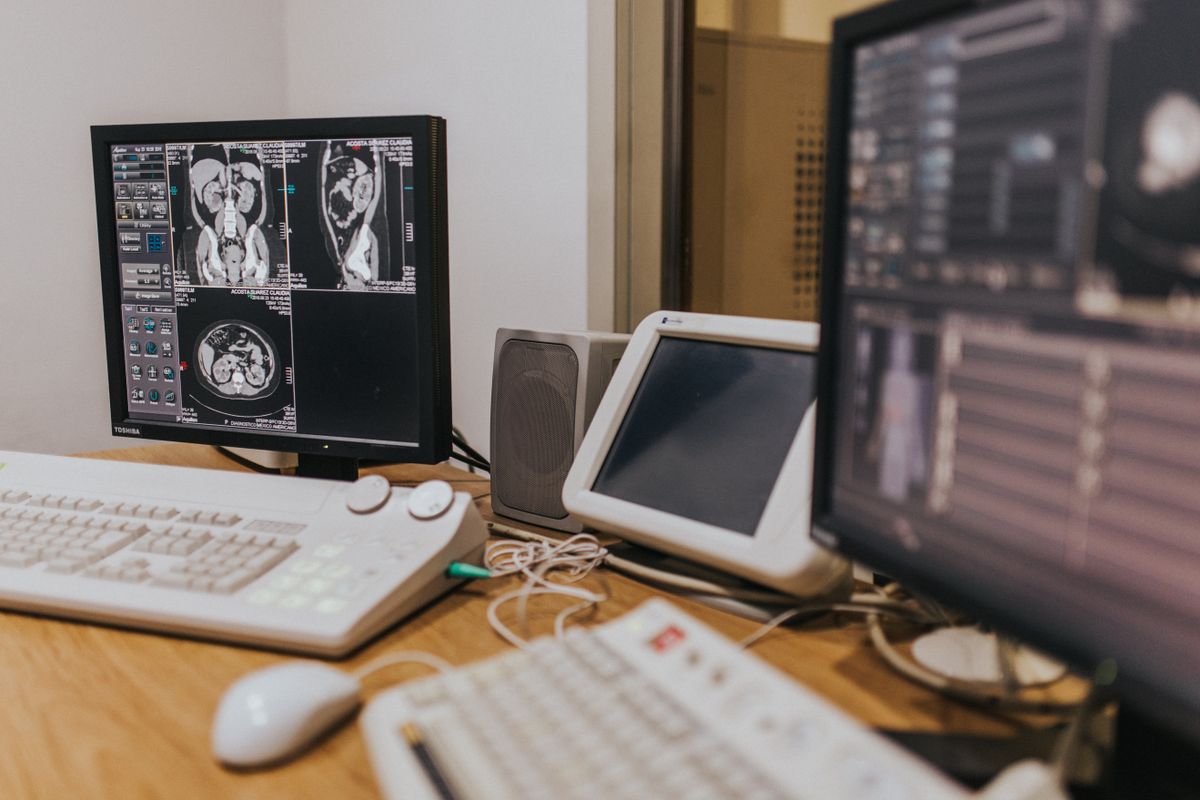
Epic
FHIR, HL7 v2, Interconnect, and SMART on FHIR, built the way Epic’s technical services team expects.
Oracle Health (Cerner)
Millennium, FHIR, CCL, and HL7 interfaces across an estate that spans several product generations.

athenahealth
athenaOne APIs, FHIR, and Marketplace listing, for groups whose workflow outgrew the native configuration.

eClinicalWorks
Interfaces, structured extraction, and automation for practices whose eCW instance has grown organically for a decade.

NextGen
API and interface integration plus template rationalization for ambulatory groups on NextGen.
Dentrix
Server-based Dentrix and Dentrix Ascend, integrated so a DSO can report across every office the same way.
Tebra (Kareo)
Practical automation for independent practices and billing companies running Tebra.

DrChrono
API-first integration for practices and digital health companies building on top of DrChrono.

HL7 and FHIR
HL7 v2 feeds, FHIR R4 APIs, and interface engine work, built to survive real message volume.
Start with a conversation, not a proposal.
A 45-minute call with a senior engineer. We will tell you honestly whether automation is the right answer for the workflow you have in mind.